
Sugar has been a dietary villain for long enough that the market has filled with alternatives, each carrying its own set of promises. Natural sweeteners, zero-calorie options, ancient remedies, and laboratory inventions all compete for space in pantries and grocery carts. For most people, the choice comes down to taste or vague notions of health. But for those managing conditions like IBS, FODMAP sensitivities, or blood sugar issues, the decision carries real consequences that go well beyond preference.
Understanding how different sweeteners behave in the body, in baked goods, and in relation to digestive sensitivities is genuinely useful knowledge. Not all sweetness is created equal, and what works beautifully for one person's metabolism or microbiome can cause significant problems for another.
White Sugar: The Familiar Standard
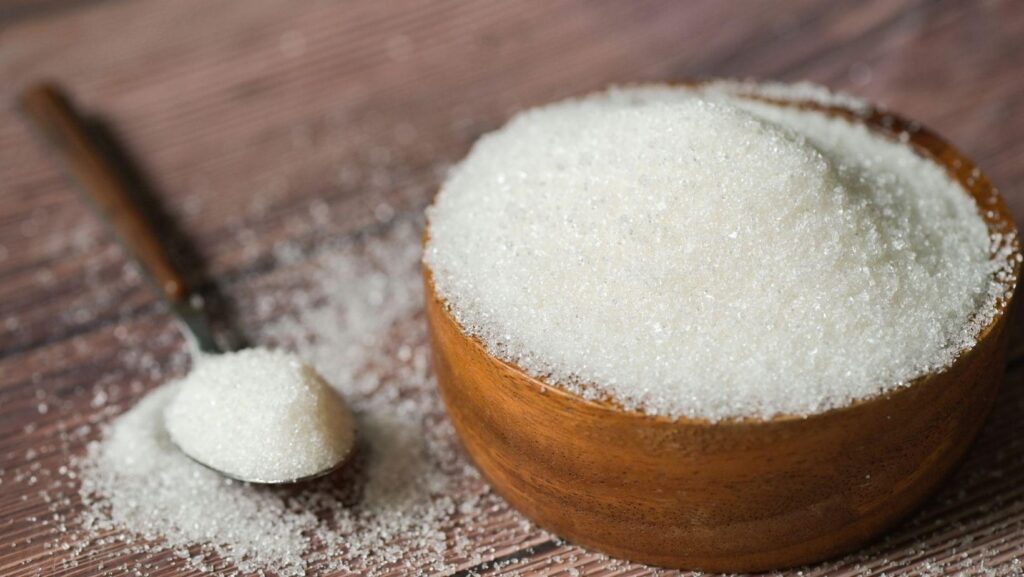
Refined white sugar, or sucrose, is a disaccharide made up of equal parts glucose and fructose. It is the baseline against which most other sweeteners are measured, in terms of sweetness, baking performance, and cultural familiarity.
In baking, white sugar is nearly irreplaceable for certain functions. It creams with butter to create air pockets that give cakes their lift. It caramelizes predictably. It controls moisture retention and helps baked goods brown evenly. When recipes are developed with white sugar in mind, substituting another sweetener often requires adjustments to liquid ratios, leavening, and baking temperature.
From a health standpoint, the concerns around white sugar are well-documented. Excess refined sugar consumption is associated with increased risk of metabolic syndrome, type 2 diabetes, dental decay, and inflammatory conditions. The issue for most people is not the chemistry of sucrose itself but the quantity in which it appears across processed foods.
From a FODMAP perspective, white sugar is actually considered low-FODMAP at standard serving sizes. Because sucrose is split into equal glucose and fructose during digestion, the fructose does not exceed the glucose ratio that tends to trigger excess fructose malabsorption. For people managing IBS, this makes plain sucrose one of the more predictable sweeteners to work with.
Honey: Natural, Nutritious, and Complicated
Honey occupies a unique place in holistic food culture. It carries genuine nutritional credentials, containing trace amounts of vitamins, minerals, antioxidants, and antimicrobial compounds, particularly in raw, minimally processed forms. Manuka honey has been extensively studied for its wound-healing properties. Raw honey contains small amounts of pollen and enzymes that pasteurized versions do not.
In baking, honey behaves differently from white sugar in several important ways. It is hygroscopic, meaning it draws moisture from the environment, which keeps baked goods softer for longer but can also make them dense if ratios are not adjusted. Honey browns faster than sugar due to its fructose content, which often means lowering oven temperature by about 15 degrees Celsius when substituting it in recipes. Its distinct flavor, ranging from floral to robust depending on origin, adds complexity that some recipes benefit from and others do not.
Anyone who has typed "is honey low FODMAP" into a search bar while trying to manage digestive sensitivities has likely come away with a more complicated answer than expected. Honey is high in fructose relative to glucose, which means it is classified as a high-FODMAP food. Even small amounts, around one teaspoon, can exceed the threshold for people with fructose malabsorption. This makes honey one of the more problematic sweeteners for IBS sufferers, despite its reputation as a natural and health-supporting ingredient. For those following a low-FODMAP protocol, honey is typically among the first things eliminated, and it requires careful reintroduction testing before being added back in meaningful quantities.
Stevia: The Plant-Based Zero-Calorie Option
Stevia is derived from the leaves of the Stevia rebaudiana plant, native to South America, where it has been used as a sweetener for centuries. The compounds responsible for its sweetness, steviol glycosides, are extracted and purified to create the powders and liquid drops found in shops today.
From a metabolic standpoint, stevia has genuine advantages. It does not raise blood glucose levels, making it a genuinely useful option for people managing diabetes or insulin resistance. It contains essentially no calories. And unlike many artificial sweeteners, it comes from a plant source, which appeals to people who prioritize whole or natural food choices.
In baking, stevia presents challenges. It is significantly sweeter than sugar by volume, which means only tiny quantities are needed, and this dramatically changes the bulk and moisture contribution that sugar provides in a recipe. Stevia does not caramelize, does not cream with fat to create structure, and does not contribute to browning. Recipes developed specifically for stevia can be excellent, but simply swapping it for sugar in a standard recipe rarely produces satisfying results without other significant adjustments.
For FODMAP purposes, pure stevia extract is considered low-FODMAP and generally well-tolerated. However, many commercial stevia products are blended with other ingredients, including erythritol, inulin, or dextrose, to improve their texture and bulk. Inulin in particular is a high-FODMAP fiber derived from chicory root, and its presence in a stevia blend can trigger symptoms in sensitive individuals even when the product is marketed as a natural sweetener. Label reading is essential.
Artificial Sweeteners: Effective and Contested
Artificial sweeteners, including aspartame, saccharin, sucralose, and acesulfame potassium, were developed to deliver sweetness without the caloric impact of sugar. They are found extensively in diet drinks, low-calorie products, and sugar-free baking ingredients.
Their safety has been studied for decades, and regulatory bodies in most countries have approved them for consumption at established limits. However, the research picture around long-term health effects continues to evolve. Some studies have raised questions about the impact of certain artificial sweeteners on gut microbiome composition, with early research suggesting that sucralose and saccharin may alter bacterial populations in ways that could affect glucose tolerance. This research is ongoing and not yet conclusive, but it is relevant for anyone taking a gut-health-centered approach to eating.
In baking, sucralose is the most commonly used artificial sweetener because it is heat-stable, unlike aspartame, which degrades at high temperatures. Sucralose-based baking blends are often formulated with bulking agents to compensate for the volume that sugar would provide.
From a FODMAP standpoint, the picture with artificial sweeteners is mixed. Aspartame and saccharin are generally considered low-FODMAP. Sorbitol and xylitol, which are sugar alcohols often grouped alongside artificial sweeteners in the broader category of non-nutritive sweeteners, are distinctly high-FODMAP and can cause significant digestive distress even in small quantities. Products labeled "sugar-free" frequently contain these sugar alcohols, which makes them particularly problematic for people with IBS who assume the label signals digestive safety.
Choosing the Right Sweetener for Your Body and Your Baking
There is no single sweetener that ticks every box. White sugar performs best in baking and is low-FODMAP but carries well-documented metabolic concerns at high intake levels. Honey is nutritionally rich and beloved in natural food traditions but is high-FODMAP and requires careful handling for both digestive and baking purposes. Stevia is metabolically favorable and low-FODMAP in its pure form but demands recipe-specific adjustments and label scrutiny in commercial products. Artificial sweeteners are calorie-free and heat-stable but introduce questions around long-term gut health and microbiome impact.
For people managing FODMAP sensitivities specifically, the safest sweeteners tend to be pure cane sugar or maple syrup at low-FODMAP portions (up to two tablespoons), pure stevia extract without added fillers, and glucose syrup, which does not contain fructose at all. Rice malt syrup is another option that is entirely fructose-free and widely used in low-FODMAP baking communities.
The Bigger Principle
Sweeteners are rarely the whole story. The amount consumed, the broader dietary context, individual gut health status, and the specific composition of what is in the product all shape how any sweetener actually affects a given person. For those following a holistic approach to eating, the goal is not to find the one approved ingredient and use it without limit, but to develop genuine fluency in how different foods behave in the body and make informed, context-sensitive choices.
Understanding what you are choosing and why, rather than simply following a label claim, is where real dietary autonomy begins.