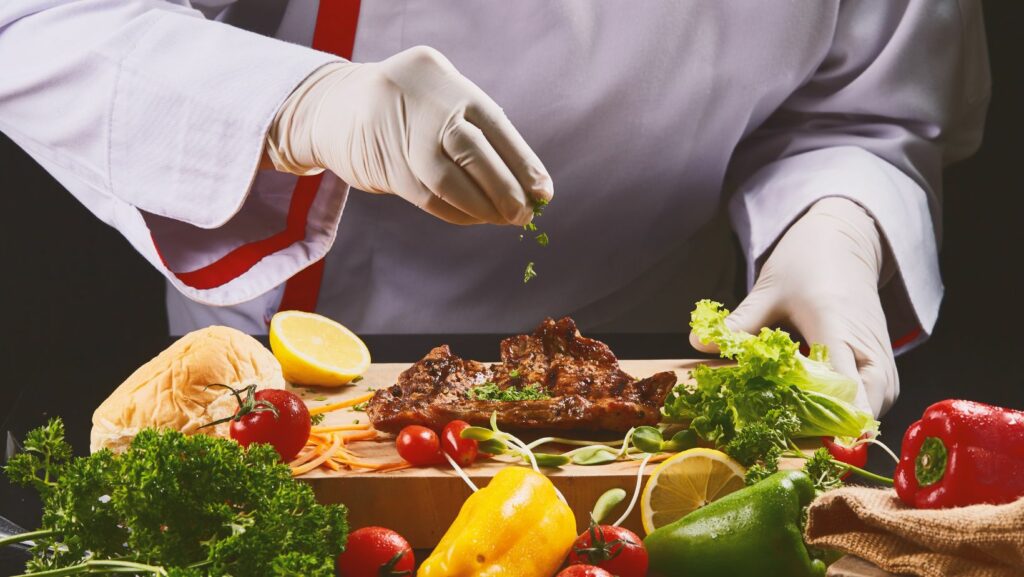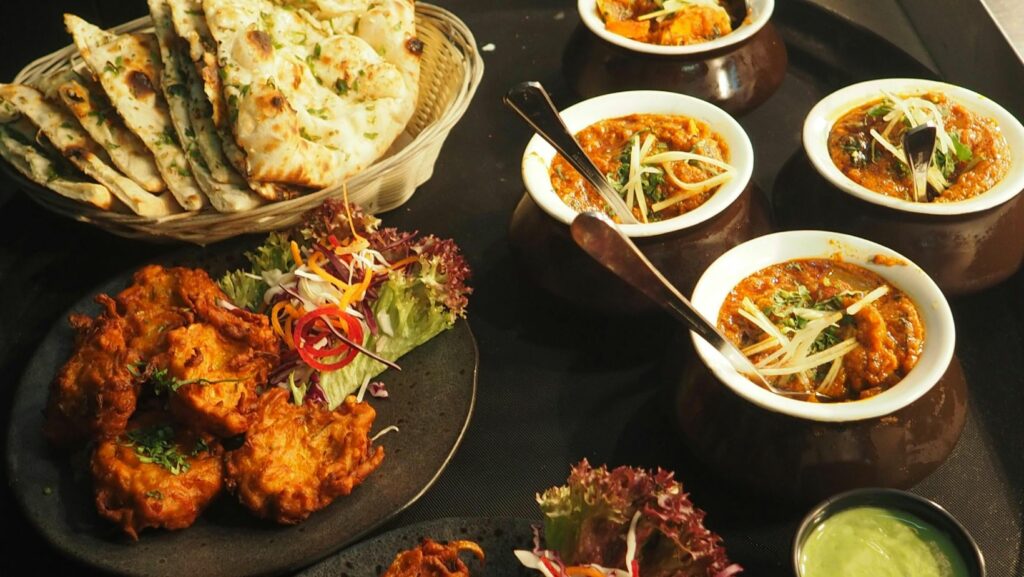

Food has always traveled through stories. A grandmother’s handwritten curry recipe. A street vendor’s secret spice blend. A chef’s twist on regional specialties. Today, those stories move even faster through video. According to Forbes, video continues to dominate digital engagement across platforms, influencing how audiences learn and make decisions. For culinary creators, that means recipes are no longer just read. They are watched, saved, and shared.
Yet many food enthusiasts sit on notebooks filled with ideas, flavor profiles, and authentic recipes that never leave the page. Turning those notes into polished videos can feel overwhelming. This is where script to video AI tech changes the equation. It allows cooks, bloggers, and culinary storytellers to transform written recipes into engaging visual narratives without needing complex editing skills.
What is script to video AI, and how does it help?
Script to video AI converts written text into a structured video. You provide a script or recipe notes, and the system generates scenes, visuals, voiceovers, transitions, and sometimes even human-like presenters.
For a culinary connoisseur, this means a recipe description can become a step-by-step cooking video. For a kitchen novice, it means cooking tips for beginners can turn into clear, visual guides that build confidence. Instead of juggling cameras and editing software, you focus on flavor, storytelling, and culinary innovation.
These tools often include:
- Automated scene selection based on text prompts
- AI-generated voiceovers in different tones
- 4K video output and cinematic transitions
- Animated text overlays for ingredient lists
- Visual storytelling workflows for tutorials
The result is a shareable cooking reel built from simple text.
How script to video AI transforms recipe storytelling
How can written recipes become videos?

Most recipes begin as rough notes. A list of ingredients. A few cooking times. Maybe a memory attached to a festival or family tradition.
With script to video AI, those notes evolve into a structured format:
Breaking text into visual steps
- Ingredients appear as animated lists
- Measurements are highlighted on screen
- Cooking times are visually counted down
- Key techniques are demonstrated through stock or generated visuals
If you are documenting Mediterranean Food traditions or regional specialties from your hometown, the AI can align visuals with cultural food stories embedded in your script.
Adding voice and personality
You can choose narration styles that match your tone. A calm instructional voice works for baking tutorials. A lively, upbeat voice suits street food reels. This helps translate culinary heritage into accessible video content for a global audience.
Why does video matter for food creators?
Food is sensory. While blogs describe aroma and texture, video shows them. A sizzling pan. Steam rising from fresh bread. The golden crust of a perfectly roasted vegetable.
Wikipedia notes that food culture reflects social practices and traditions across communities. You can explore more about this in the overview of Food culture on Wikipedia. Video strengthens that cultural connection by making preparation methods visible.
For culinary artists, video supports:
- Demonstrating knife skills and cooking safety tips
- Showcasing plating techniques
- Comparing flavor profiles visually
- Highlighting authentic recipes from specific regions
For beginners, watching a step can reduce confusion. Seeing dough consistency or sauce thickness in motion builds clarity that text alone may not provide.
How can AI tools elevate culinary content?
With the shift toward visual storytelling, AI platforms like invideo integrate script to video AI into a streamlined workflow. If you already have detailed recipe notes, you can input them and generate a structured cooking video with visuals, voiceovers, animations, and cinematic effects from a straightforward and easy text command.
This approach connects well with culinary creators who want to scale content without expanding production teams. Instead of investing in complex editing software, they rely on a script to video AI tech to interpret text and build the visual sequence. Among modern AI video apps, this model of transforming text into 4K cooking reels allows food enthusiasts to focus on recipe development and culinary arts cuisine while the technical layer remains simplified.
The emphasis remains on storytelling. The tool simply translates your words into motion.
Can beginners and experts both benefit?
Yes, but for different reasons.
For kitchen novices
If you are new to cooking, documenting your learning journey can help others. You might share:
- Step-by-step tutorials
- Common mistakes and fixes
- Ingredient substitutions
- Budget-friendly meal plans
Using script to video AI, your written reflections become visual learning content. This builds confidence and community at the same time.
For culinary professionals
Experienced chefs often experiment with flavor layering, fermentation, or regional reinterpretations. Video lets you:
- Present complex techniques clearly
- Showcase culinary innovation
- Archive authentic recipes
- Teach online workshops
Instead of writing long blog posts that only a fraction of readers finish, you present concise reels that highlight your culinary expertise.
How does it support global food communities?
Food connects across borders. A street snack from one country can trend globally within weeks. Digital video accelerates that exchange.
Script to video AI tech helps food creators publish consistently. When you can convert a recipe into a polished video quickly, you contribute more actively to:
- Culinary heritage preservation
- Sharing regional specialties
- Promoting cultural food stories
- Encouraging cross-cultural cooking
For example, a family recipe for a slow-cooked stew can become a short reel that introduces global viewers to your region’s spices and cooking methods. That reel can spark curiosity and dialogue in comment sections around the world.
What practical steps should you follow?
If you want to start turning recipe notes into reels, focus on structure first.
Organize your script clearly
- Begin with a short story or context
- List ingredients in order of use
- Break instructions into numbered steps
- Add sensory descriptions
A clear structure helps script to video AI map text to scenes effectively.
Think visually
Ask yourself:
- What does this step look like?
- Is there a color or texture shift?
- Can I show before and after results?
Even simple cues like “golden brown” or “creamy consistency” guide the visual generation.
Keep safety and clarity in mind
Include at least one reminder about cooking safety tips, such as handling hot oil carefully or using clean cutting boards for raw ingredients. This builds trust and professionalism.
How can you balance storytelling and technique?
The most engaging cooking content blends emotion and instruction.
You might open with a memory of a family gathering. Then shift into precise measurements and cooking temperatures. Script to video AI supports both tones because it interprets narrative text and instructional text differently, aligning visuals accordingly.
For example, a segment describing your grandmother’s spice box can be paired with warm, nostalgic visuals. The next segment detailing cooking time can use clean, instructional overlays.
This balance strengthens both the emotional and educational value of your content.
What does the future of recipe sharing look like?
Culinary content is becoming more interactive and visual. As audiences expect short-form reels and tutorial videos, written blogs alone may not capture attention the same way.
Script to video AI technology bridges traditional recipe writing with modern content formats. It allows foodies, chefs, and home cooks to adapt without abandoning the craft of writing. Your notebook still matters. Your culinary arts cuisine still begins with thought and experimentation. The difference is that now your script can travel further and faster.
Conclusion
From handwritten recipe notes to polished cooking reels, the journey no longer requires a production studio. Script to video AI allows culinary storytellers to transform text into immersive video content that educates, inspires, and connects.
Whether you are documenting Mediterranean Food traditions, experimenting with new flavor profiles, or guiding beginners through their first meal, this technology helps you share your culinary perspective with a wider audience. Start with a clear script. Think visually. Preserve your authentic voice. Then let script to video AI turn your recipe into a reel that invites the world into your kitchen.
FAQs
1. Is script to video AI suitable for food bloggers?
Yes. Food bloggers can convert existing written recipes into engaging cooking videos. This increases reach across social platforms where video performs better than static posts.
2. Do I need video editing skills?
Most script to video AI tools are designed for users without advanced editing experience. You focus on writing a structured recipe, and the system generates scenes and transitions.
3. Can I create cultural food stories with AI tools?
Absolutely. You can include background stories, culinary heritage details, and regional context in your script. The AI then pairs visuals and narration with your narrative.
4. Does this work for short-form cooking reels?
Yes. You can structure your script into concise steps and generate short videos suitable for reels or social clips.
5. How can beginners benefit from this approach?
Beginners can document their learning process, share cooking tips for beginners, and build a supportive community through clear visual tutorials.
6. Is video really more engaging than text?
Research cited by Forbes shows that video content continues to drive strong engagement online. For food content, the visual element often enhances understanding and appeal.
7. Can I generate high-resolution cooking videos?
Many platforms that use script-to-video AI support 4K output, voiceovers, animations, and cinematic effects, making it possible to create professional-looking recipe videos from simple text prompts.